Warehouse security cameras in Las Vegas
Big buildings break small systems
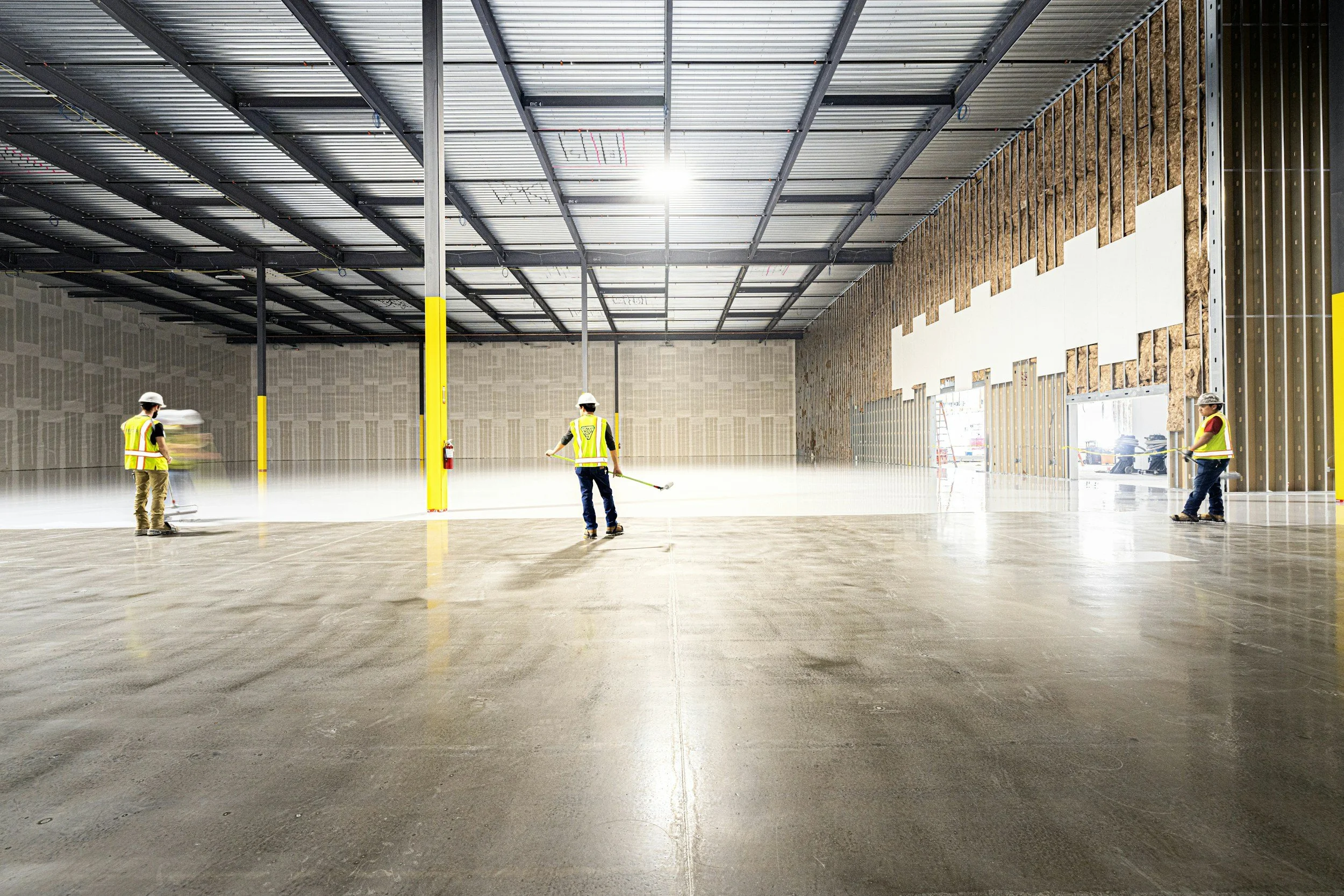
A warehouse defeats consumer-grade camera systems by geometry alone. Cable runs exceed what basic installs assume, mounting heights put cameras thirty feet up, docks need coverage in harsh backlight, and the yard is a hundred yards from the nearest network drop. The equipment is not the hard part — the engineering is.
We design for the building as it is: fiber backbone where copper distance limits are exceeded, point-to-point wireless bridges to guard shacks and outbuildings where trenching is not worth it, camera positions that read trailer numbers at the dock and faces at the man doors, and housings rated for a Las Vegas summer above the racking, where the heat is worse than outside.
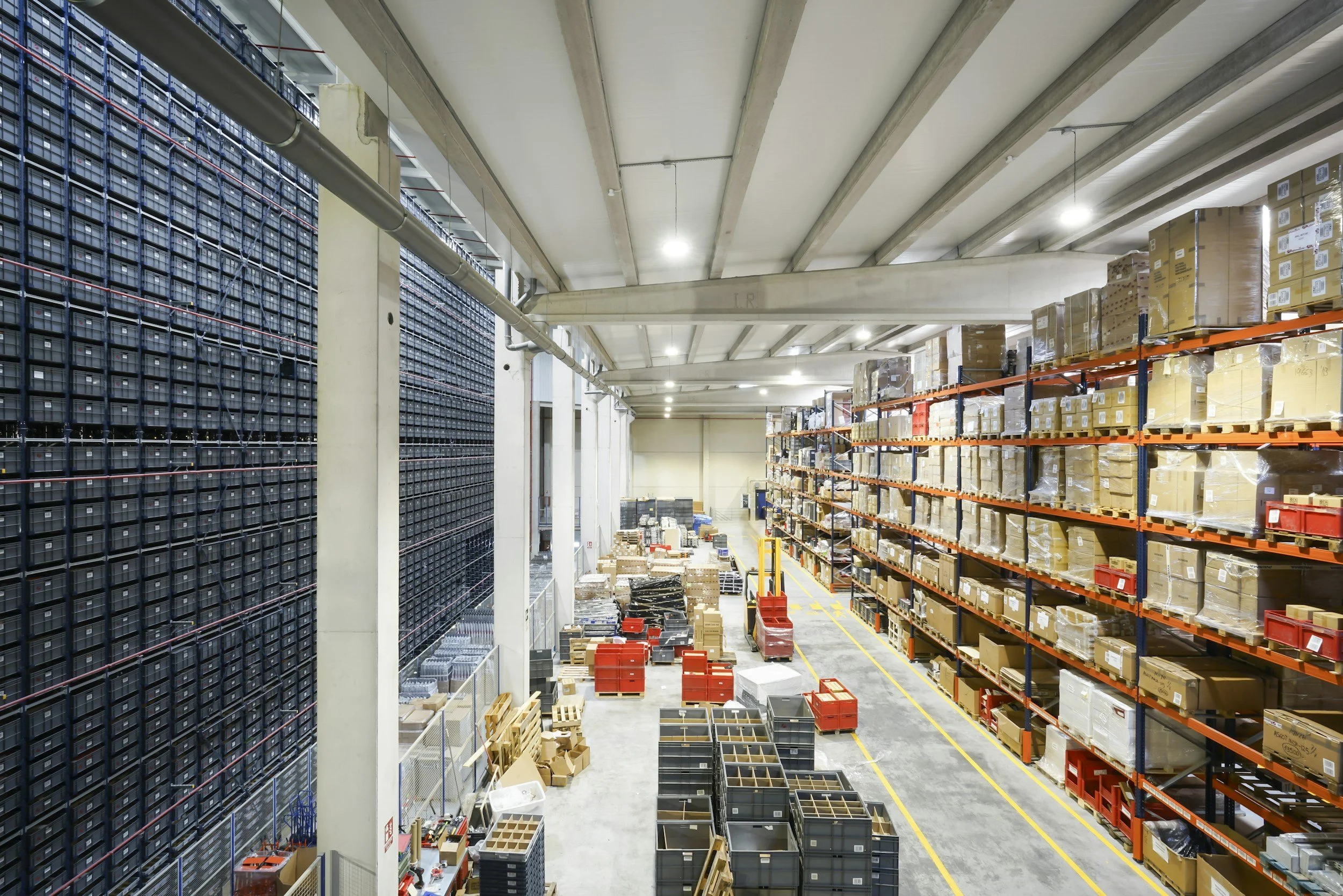
Interior coverage follows the operation: receiving and shipping lanes, high-value cage, forklift routes where incidents actually happen. Dust is a design input — sealed housings and serviceable mounting positions, because a camera nobody can safely reach is a camera nobody cleans. If the facility also needs door access with audit trails on the cage or the office, it rides on the same head-end.
Engineered for the building
Dock coverage specified for backlight — trailer numbers and plate capture readable
Yard and perimeter coverage with long-range and panoramic positions
Fiber runs where distance rules out copper; conduit paths planned to code
Point-to-point wireless bridges to yards, guard shacks, and detached buildings
High-ceiling mounts positioned for reach with a scissor lift, not a crane
Housings and drives rated for heat and dust above the racking
Recorder capacity sized for large camera counts with real retention
Questions we get asked
-
Two, usually: trench conduit and run fiber, or put up a point-to-point wireless bridge. Fiber wins for permanence and capacity; a bridge wins when trenching a working yard costs more than the cameras. We price both during the assessment and tell you which one we would pick and why.
-
Yes, if they are specified for it. Temperatures above the racking in an un-cooled Las Vegas warehouse exceed what consumer hardware is rated for. We spec housings and recorders for measured conditions - it is a line item in the design, not an afterthought.
-
Yes. Multi-site viewing from one interface is standard on our commercial work, and if you run several buildings, it pairs naturally with a managed plan so camera health across all of them is monitored from one place.
-
Regularly. Lift work gets scheduled against dock windows, lanes stay open, and cutovers happen when the operation can absorb them. We plan the install around the schedule your operations manager gives us, not the other way around.